

[Design-build firm], [Town]
Design-build firm: next season booked by spring
[The problem and what it signed after the change.]
[Real stat]Signed projects
[Real stat]Contract value
Lucorp Media is a remodeling marketing agency serving design-build firms and general contractors, with depth in digital marketing, search engine optimization, Google Ads and reputation management. We run marketing for remodelers in renovation and home improvement, planned around your production calendar. Our plans for additions, secondary suites, attics and basements book crews a season ahead. You own every account, and every report shows revenue, not rankings. Lead management ties each contract to the search or ad that started it. Across the United States, we help remodelers grow share while homeowner spending flattens.
Crews ready to work, and nothing booked next month
Remodeling marketing run as one plan: Lead Engine for search, ads, leads and reviews, and Jobsite for your website. All of it measured in signed contracts and matched to your crews.












Whole-home remodelers sell some of the largest tickets in home improvement. These are typical values for the projects they sell most.
| Project | Typical value | Source |
|---|---|---|
| Primary suite addition, midrange | About $170,000 | Remodeling magazine, 2025 Cost vs. Value Report |
| Basement remodel | About $51,000 to $52,000 | Remodeling magazine, 2025 Cost vs. Value Report, regional figures |
| Primary suite bathroom | $20,000 to $40,000, luxury $80,000+ | Lucorp Media job value research |
| Accessible, aging-in-place bathroom | $15,000 to $35,000 | Lucorp Media job value research |
Illustrative, using typical project values: two extra additions and four extra basements a year comes to about $544,000 in signed work.
Call Value Calculator
in gross profit. That's also the most you can pay for a call and break even.
How it works: revenue per call = average job × close rate. Value per call = revenue per call × gross margin. The starting numbers are our estimates for a typical remodeling company. Your own numbers from last year will be more accurate.
Want next season booked before this one ends?
See how it worksSome remodelers are booked months ahead. Others take whatever comes in, bid it low because the crew has nothing next week, and hope the phone rings. Usually the work is just as good on both sides. What differs is whether calls keep coming while everyone is busy on jobs and nobody is marketing.
So marketing gets bought in pieces from whoever calls that week: a web designer, a lead marketplace on a year-long contract, an agency that sends a report and books nothing. When the calendar thins out, every vendor says their piece is working, and none of them can name the job it signed.
I see guys booked out for months... and others fighting over scraps.
Remodeler, Reddit r/Contractor (2026)
Busy crews mean nobody markets. Then November comes, the pipeline is empty and the crew is waiting on you.
The plan runs year-round, and the pipeline report shows a slow quarter weeks ahead, so budget moves before it hits.
Long contracts pay the vendor either way. The report is clicks and rankings, and the only time they call is when you stop paying.
Each month shows calls, consultations and signed jobs by channel, and every account sits in your name, so you can see what you paid for.
An empty week ahead pushes you to the bottom number, and the next job's margin pays for the slow one.
Budget moves toward the channels that booked work before the slow season arrives, so the calendar fills while you can still hold your price.
Marketing that brings bathroom refreshes wastes estimator time when your crews are set up for additions.
Budget goes to the project types you choose, so more calls are for additions and whole-house remodels.
Four steps, run against your production calendar.

Crew capacity and the projects you want next season set the plan and the budget.

Search for projects homeowners research for months, and ads for demand that is ready now.
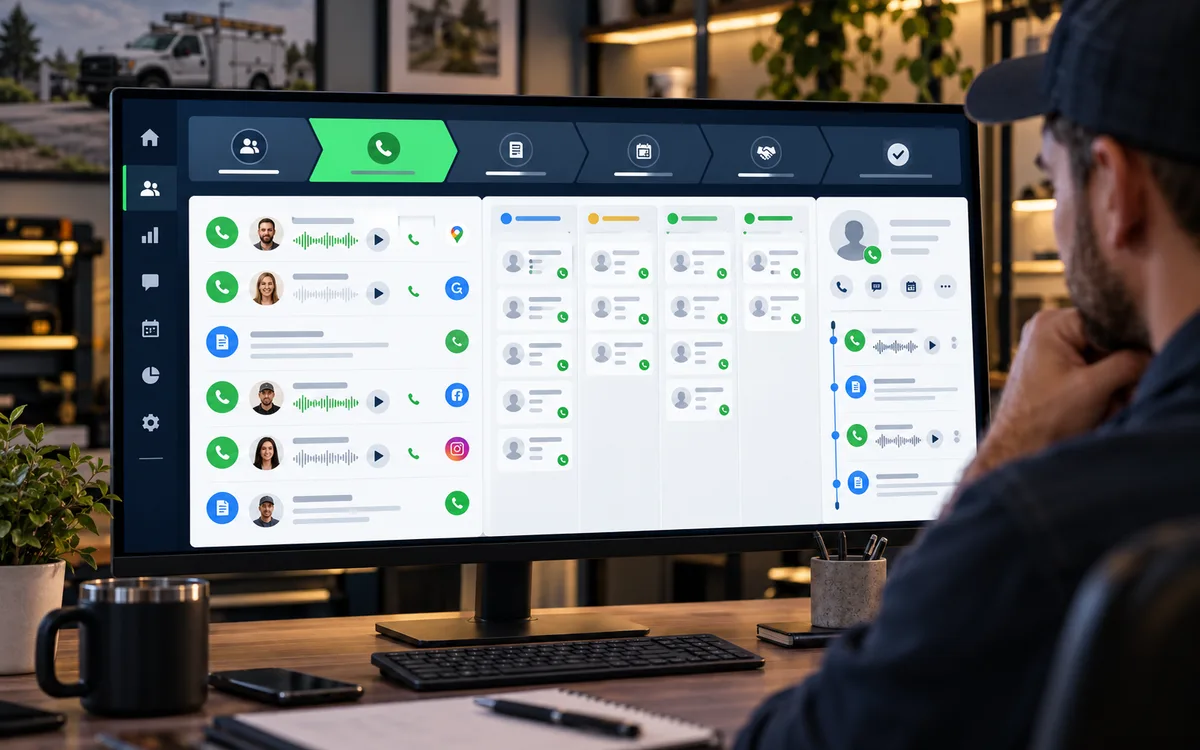
Every call and form lands in one customer relationship management system, tagged by channel and project.

Monthly: each signed contract with its value and the channel that started it.
Design-build firms and general contractors who wanted a calendar they could plan.

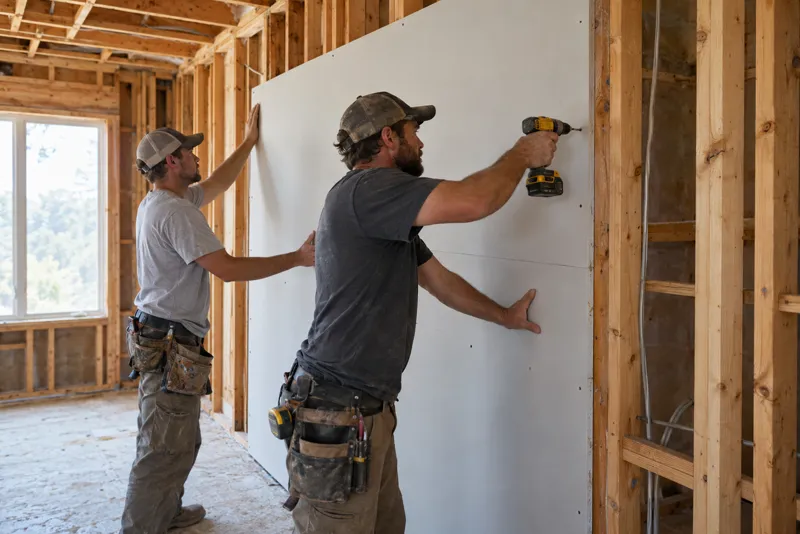
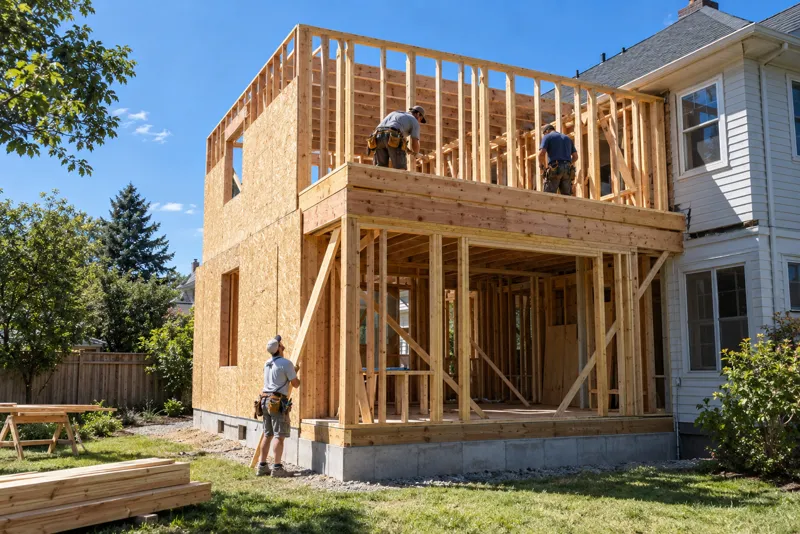


Each part has its own page with the details. Start with one or run them all.
Project pages that bring homeowners from Google Maps and search for the work you want.
Ads that show only for your projects, in the towns your crews reach.
A site with real projects and a form that asks budget before the visit.
Homeowners from campaigns in your name, sent to you alone.
Steady reviews from finished projects, every one answered.
Whole-home remodelers sell differently, so the plan changes with the business.
Marketing that explains the design fee and process up front, so consultations are with serious homeowners.
Projects you run with your own crews and subcontractors, filled by town and by season.
Fewer, larger contracts. The plan favors search and referrals over volume.
Families acting after a fall decide fast. Ads and reviews carry most of the work here.
One plan works best for remodelers ready to grow on purpose.
Every account and every number stays with you.
Website, Google Business Profile, Google Ads and call tracking are in your name from day one.
Tell us which projects you want next season. Budget follows that.
Recorded calls from every channel, in one place.
Accounts, pages, history and data stay with your company.
Marketing for remodelers usually ends up split across vendors. Here is what changes when it is one plan.
| Separate vendors | One plan with us | |
|---|---|---|
| Who sees the whole pipeline | Nobody | You and us, in one report |
| Budget moves | Only inside each vendor | To the channel and project that signs |
| Reporting | Each vendor's own numbers | Signed contracts by channel |
| Accounts | Spread across vendors | All in your name |
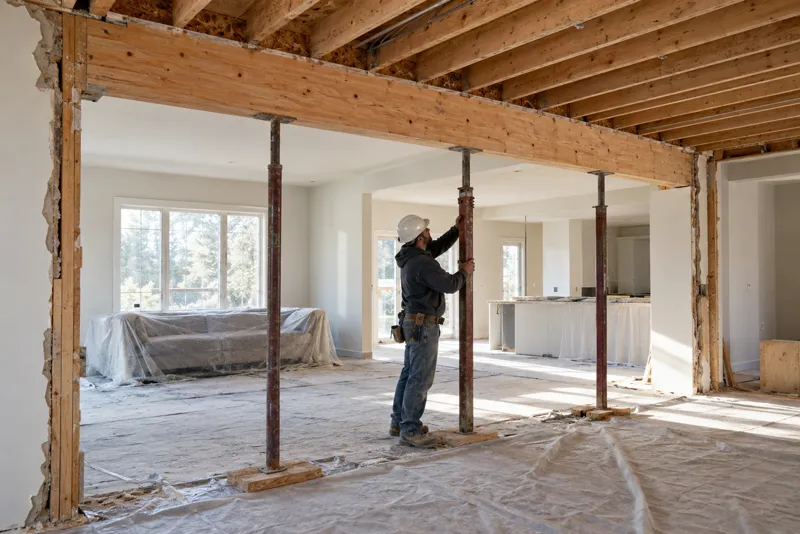
Additions, attics, basements and whole-house remodels, planned a season ahead.



Straight answers. If yours is not here, the video covers it.
Search, Google Ads, your website, lead handling and reviews, planned together and reported in signed contracts. You can start with one piece and add the rest.
Usually the website and Google profile, because every other channel sends people there. If the calendar is empty now, Google Ads runs alongside.
Because remodeling projects take weeks or months to sign. The calls that fill your winter start in the fall, and a pipeline started once the crew is already idle shows up too late.
Yes. Design-build firms need marketing that explains the design fee and process before the first call, so the consultations they book are with serious homeowners.
It depends on your market and how much work your crews can take. Watch the video first, then we will show you numbers for your area.
Because you can check us. Each call and form is tracked to its channel and project, and each signed contract is tied back to where it started. If the numbers don't show signed work, you see it in the same report we do.
No. Website, Google profile, ad accounts and call tracking are in your name from day one, so all of it stays with you.
The firm, the town, the projects signed and what they paid.
[Design-build firm], [Town]
[The problem and what it signed after the change.]
[General contractor], [Town]
[The problem and what it signed after the change.]
See how to keep your crews booked ahead
You already know how to close. What you want is the next job on the board before this one ends. The short video shows how Lead Engine and Jobsite book remodeling projects and report what each one paid.