
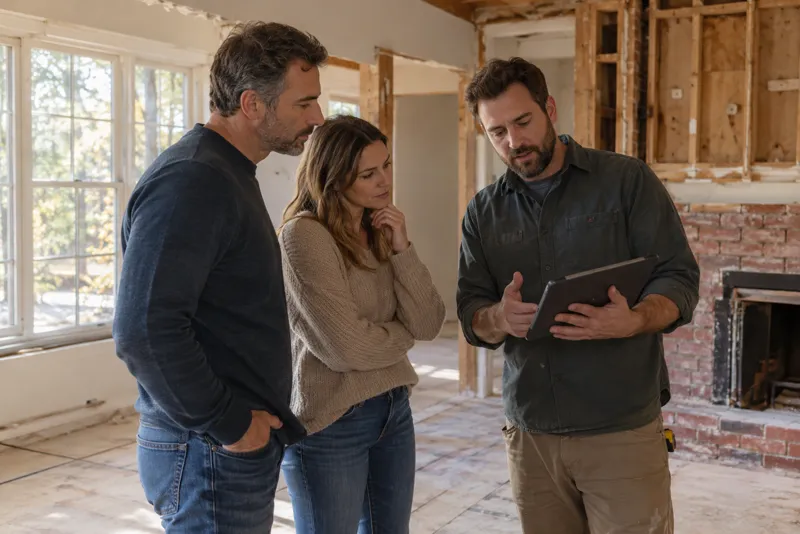
[Design-build firm], [Town]
Design-build firm: additions signed from search
[The problem and what it signed after the change.]
[Real stat]Signed projects
[Real stat]Contract value
Lucorp Media is a remodeling SEO agency for design-build firms and general contractors, specializing in search engine optimization, local search, Google Maps and keyword research. We run SEO and Schema.org markup for renovation and home improvement companies. Our pages for additions, basements, attics and secondary suites reach homeowners while the budget is still forming. You own every account, and every report shows revenue, not rankings. Search Console data and call tracking show each step from first search to signed contract. We help remodelers nationwide win whole-house projects while homeowner spending flattens.
You pay for SEO. The phone still doesn't ring.
Lead Engine puts design-build firms and general contractors in front of homeowners planning additions and whole-house remodels, then matches each call to the contract it became.












Remodeling magazine's 2025 Cost vs. Value Report puts a midrange primary suite addition at about $170,000. Miss that call and the homeowner signs with the firm that answered.
Illustrative, using typical project values: two extra additions a year from search at about $170,000 each is about $340,000 in signed work.
Call Value Calculator
in gross profit. That's also the most you can pay for a call and break even.
How it works: revenue per call = average job × close rate. Value per call = revenue per call × gross margin. The starting numbers are our estimates for a typical remodeling company. Your own numbers from last year will be more accurate.
Want more calls for projects that size?
See how it worksYou've done the hard part: years of finished projects, happy clients, a website, maybe an SEO company billing you every month. Then a homeowner in your town searches for an addition and finds HomeAdvisor, Angi and a firm that builds half as well as you do.
So the phone goes quiet for a week, the crew asks what's next, and the SEO report says rankings are up. Good home service SEO gives each project you want its own page, then counts the calls those pages bring and which of them signed.
Despite all this effort, most of my jobs are still small... I'm struggling to generate consistent leads for residential and commercial remodeling.
Remodeling contractor who had hired an SEO company, Reddit r/Contractor (2025)
The report is full of rankings and impressions. Your crews still have open weeks, and nobody can tell you which search ever turned into a job.
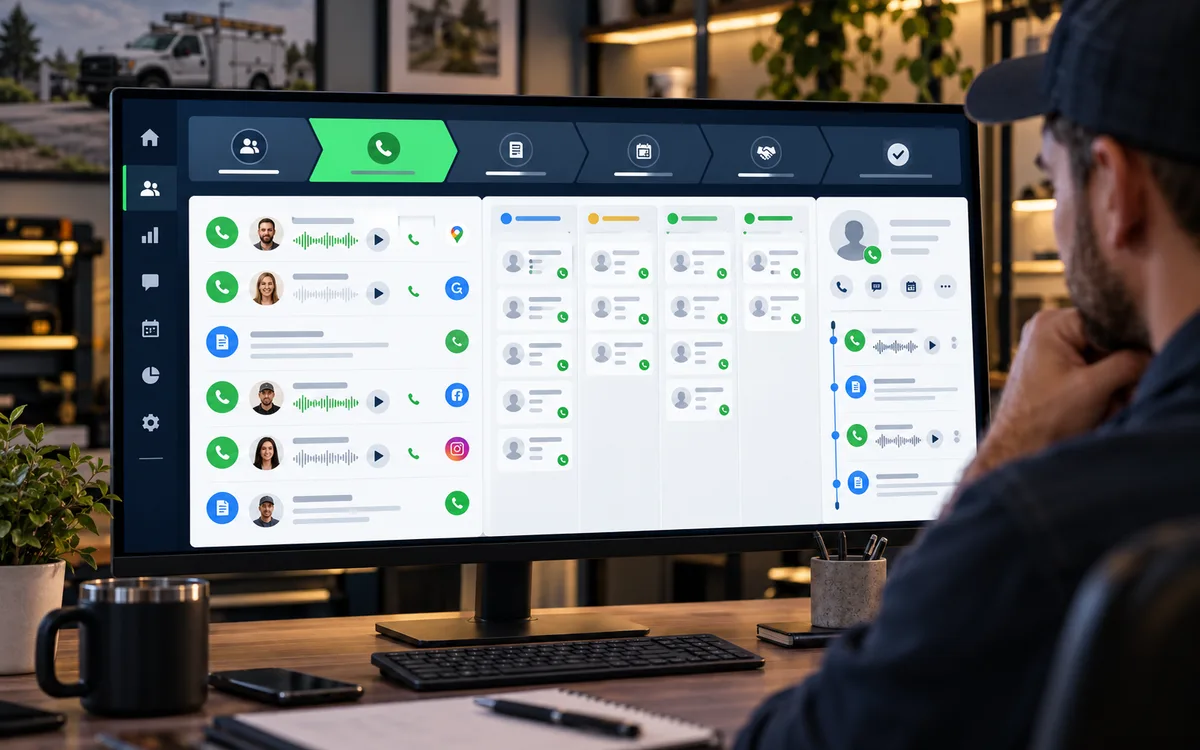
Lead Engine tracks every call from search to your own number, and the monthly report lists those calls and the contracts they became.
A homeowner planning a basement finds a lead site first, and her request gets sold to five other contractors before you ever hear about it.
We build a page for each project in each town you serve and keep your Google Maps profile working, so she finds your firm and calls you directly.
One services page lists drywall to additions, so Google sends the drywall. Your estimator spends evenings on bids that were never going to sign.
Additions, basements and whole-house remodels each get their own page, and repair and DIY searches are left out, so the calls fit your crews.
When nothing is booked for next week, you bid low just to keep the crew working, and the margin on that job is gone before it starts.
Project pages keep bringing calls through the slow months too, so a quiet week is less likely to push you into a cheap bid.
Four steps, each one tied to projects you can sign.

Your average contract and the projects you want more of. Additions and basements get their own plan.
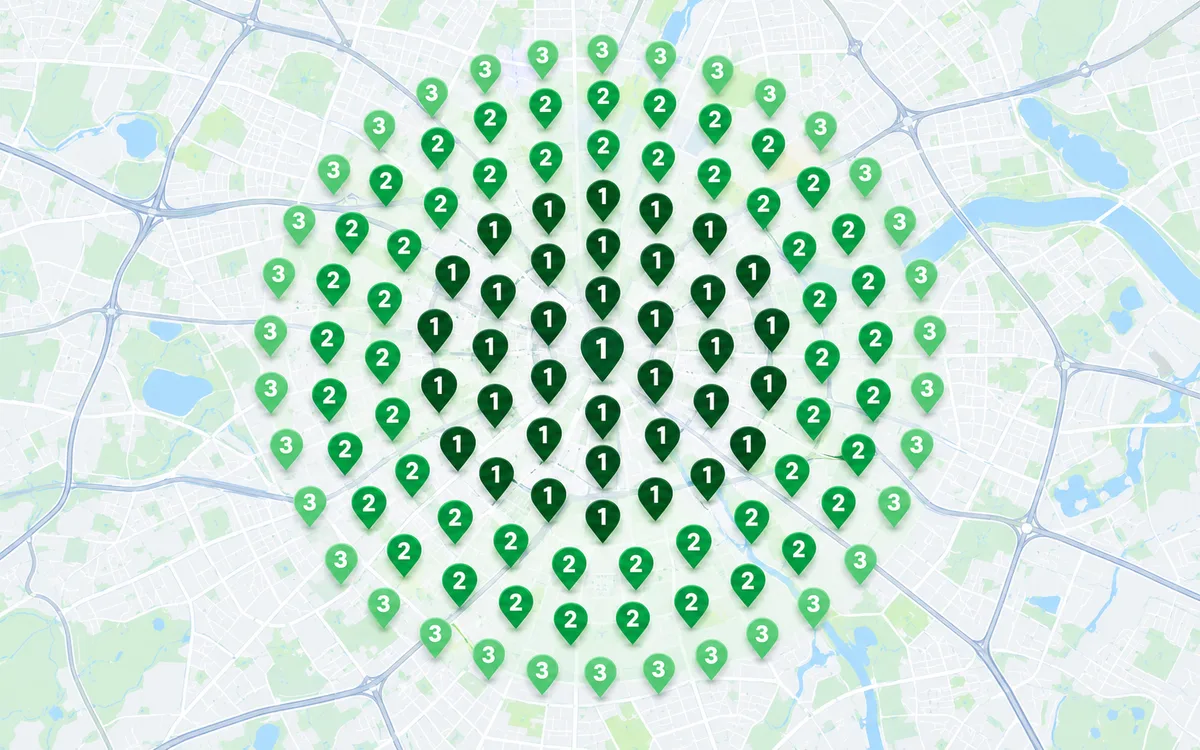
Your photos and the permit questions homeowners ask, written so Google knows exactly what the page sells.
Your Google Business Profile and its reviews, so you appear in the towns your crews reach.

Each month: calls from search, consultations booked, contracts signed and what they were worth.
Design-build firms and general contractors who wanted bigger projects from Google.

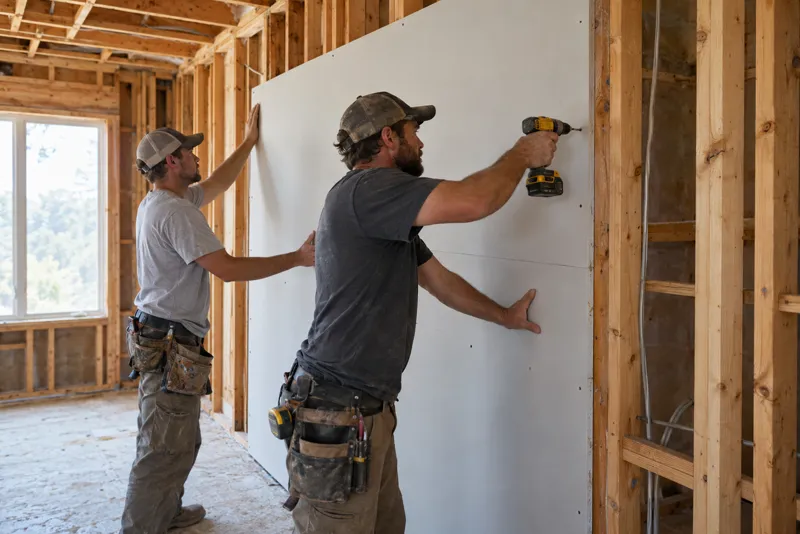
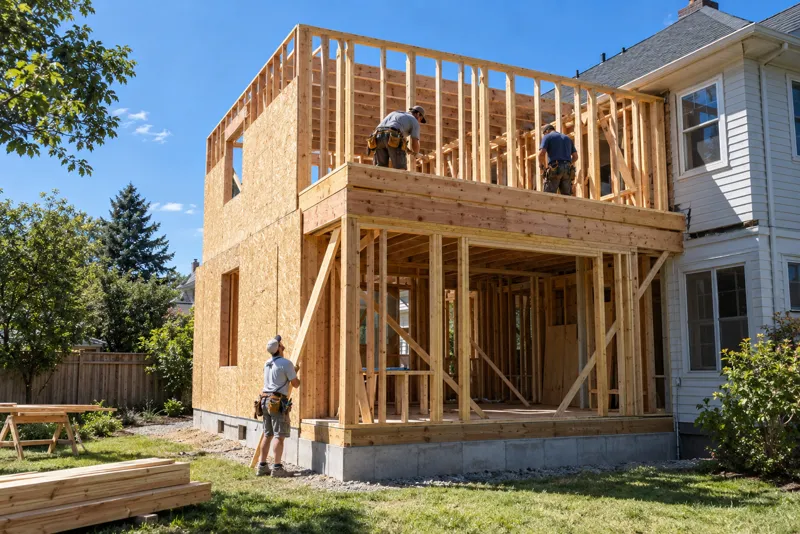


One page per project type. A page about basements is what Google shows for basement searches.
The largest contract most remodelers sign. The page answers how long it takes and who brings in the structural engineer.
The homeowner already owns the space, so these sign well. The page covers egress windows and the building code.
Rental income or a parent moving in. Searches here come with a reason and a budget attached.
Open plan layouts and a load-bearing wall coming out. Written for the couple comparing design-build firms.
Search works best for remodelers with room on the calendar and projects worth researching.
Your site and your search data stay in your name.
The website and Google Business Profile are in your name from day one.
Google Search Console shows what homeowners typed before they found you. You get that list monthly.
Want fewer bathrooms and more additions? Say so. The pages follow the work you want.
Pages and accounts stay with your company.
Most remodelers need both at different times. Here is how they differ.
| SEO | Google Ads | |
|---|---|---|
| When calls start | Usually within a few months | Within days |
| If you stop paying | Pages keep bringing calls for a while | Calls stop the same day |
| Where you show | Maps pack, search results and AI Overviews | Ad slots above the results |
| Best for | Projects homeowners research for months | Filling next month's calendar |
If the calendar is thin right now, Google Ads for remodelers can run while the pages build.
Additions, attics, basements and whole-house remodels, each with a page of its own.
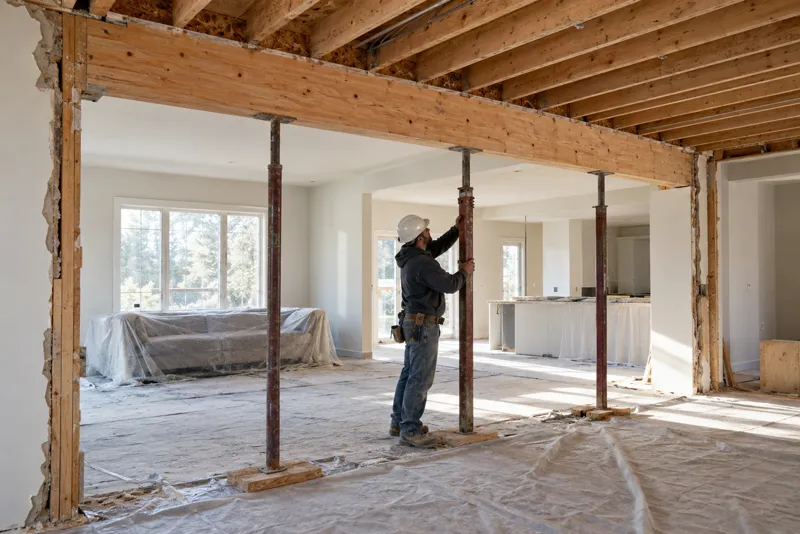


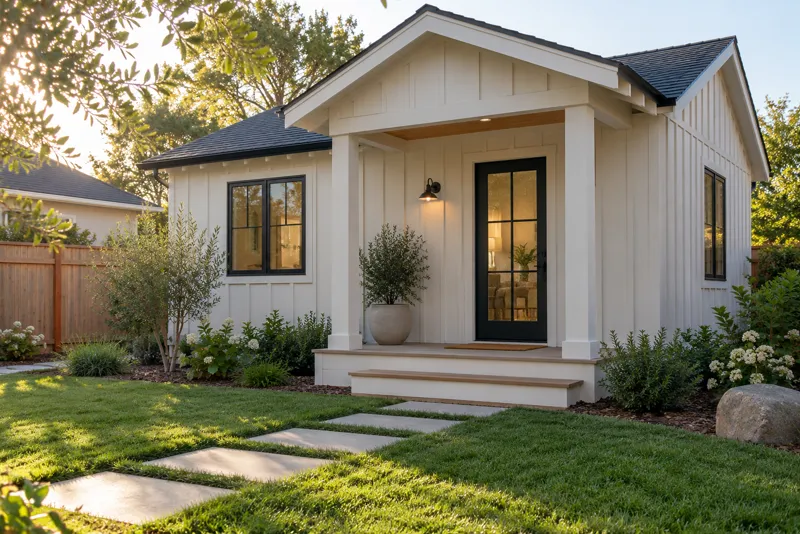
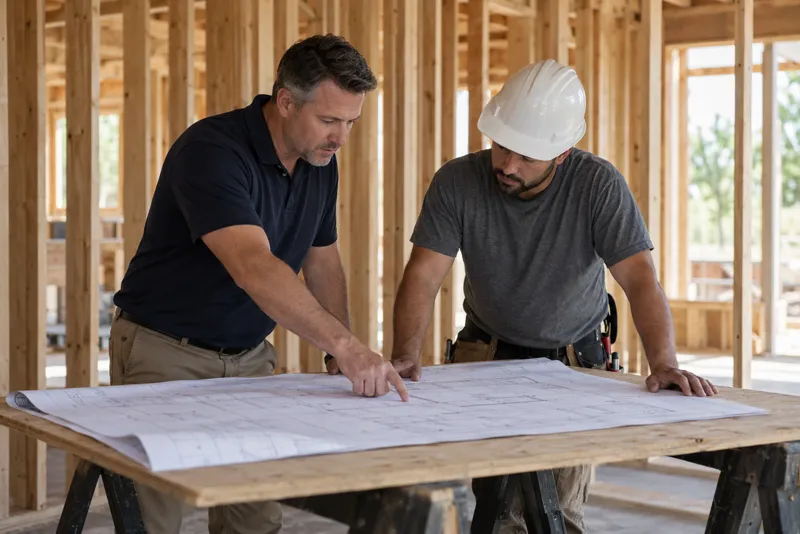
Search pays more with the other pieces in place. Add what you need.
Ads that show only for the projects you build, in the towns your crews reach.
A site with your real projects and a form that asks project type and budget.
Homeowners from campaigns in your name, screened for project and budget.
Steady reviews that mention additions and basements, each one answered.
Everything run as one plan, measured in signed contracts.
Straight answers. If yours is not here, the video covers it.
Google Maps usually moves first, within a few months. Project pages take longer, often six months or more, and they keep bringing calls after that. Remodeling sales are slow too, so contracts follow the first calls by weeks.
For broad searches, often. The Google Maps results and searches for a project in a town are different: the local design-build firm with a page about that exact project still gets the call.
Only if your site asks for them. We write pages for the projects you want and leave out repair and DIY searches, so the calls match your crews.
Because you see what you are paying for. Every call from search is recorded and matched to the project it became, so the report reads in booked jobs. We write the project pages and keep the Google profile current; your part is project photos and answering the phone.
Nobody controls AI Overviews. We build pages that answer one question clearly and carry Schema.org markup, which gives Google something accurate to quote about your company.
It depends on your market and how much work your crews can take. Watch the video first, then we will show you numbers for your area.
You do. Your site and Google Business Profile stay in your name from day one.
The firm, the town, the projects signed and what they paid.
[Design-build firm], [Town]
[The problem and what it signed after the change.]
[General contractor], [Town]
[The problem and what it signed after the change.]
See what search could book for your crews
Weeks booked ahead, from homeowners who called you first. The short video shows how Lead Engine brings addition and basement calls to your own site and traces each one to a signed contract.