
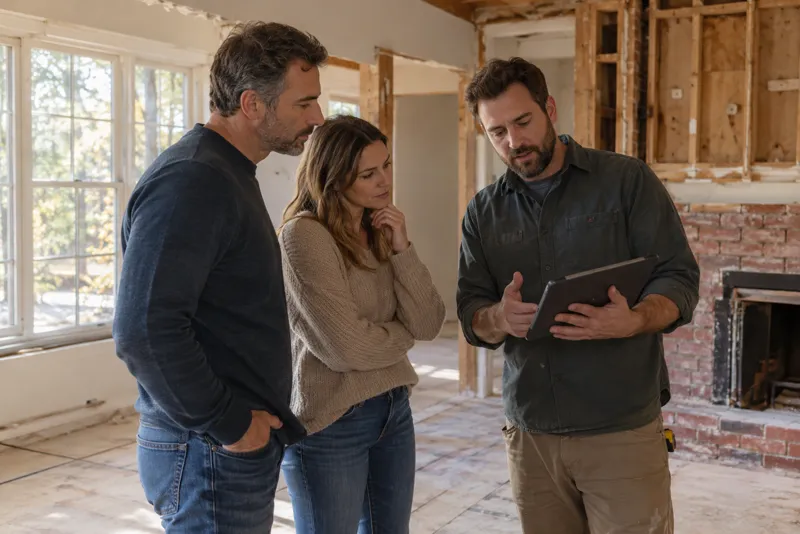
[General contractor], [Town]
General contractor: basements signed from search ads
[The problem and what it signed after the change.]
[Real stat]Signed projects
[Real stat]Contract value
Lucorp Media runs remodeling Google Ads for general contractors and design-build remodelers, with a focus on pay-per-click, search advertising, geotargeting and negative keywords. We manage Google Ads and landing pages for renovation firms and home improvement contractors. Our campaigns for basements and secondary suites pay for searches with a project behind them and block DIY searches. You own the Google Ads account, and every report shows revenue, not rankings. Conversion tracking follows each click to the signed contract. Remodelers across the United States use it to fill the calendar in a flat market.
You're paying for clicks. Nobody is calling.
Lead Engine runs Google Ads for remodelers that show only for the projects you build, only in the towns you reach. Each call is recorded and matched to the contract it became.












A basement remodel runs about $51,000 in the regional figures of Remodeling magazine's 2025 Cost vs. Value Report. Miss the call and the next ad on the page gets the project.
Illustrative, using typical project values: one extra basement a month at about $51,000 is about $612,000 in signed work over a year.
Call Value Calculator
in gross profit. That's also the most you can pay for a call and break even.
How it works: revenue per call = average job × close rate. Value per call = revenue per call × gross margin. The starting numbers are our estimates for a typical remodeling company. Your own numbers from last year will be more accurate.
Want ads that sign projects that size?
See how it worksA basement remodeler on Reddit described his first month of Google Ads: a charge almost every week, and the only calls came from people trying to sell him leads. Another construction company ran ads for three months and had clicks to show for it, with nothing that became a real lead.
The money leaks in the same places every time. Broad keywords show your ad for "how to finish a basement yourself", the location setting reaches people an hour past your service area, and the report counts a spam call as a conversion. Good Google Ads for contractors tie every click to a call and every call to a signed contract.
I haven't gotten one real lead from these google ads
Basement remodeling contractor, Reddit r/GeneralContractor (2025)
Homeowners pricing a DIY basement click your ad and leave. Google bills you for each one, and your crew still has an open week.
Negative keywords block DIY and how-to searches from day one, and we read the search terms report every week to cut whatever slipped through.
A report that counts every call as a conversion can't tell a homeowner from a sales pitch, so you keep paying for both.
Each call is recorded and sorted. Only real project calls are reported back to Google, so bidding goes after homeowners who sign.
The dashboard shows clicks and cost per click. Nobody can tell you which contract the ads paid for, so you can't decide whether to keep going.
Lead Engine matches each call to the project it became, so the report shows booked jobs next to what you spent.
Broad keywords bring bathroom touch-ups and handyman lists to a firm set up for additions, and every one costs an estimator's evening.
Campaigns run only for the project types you sell and only inside your crews' drive radius.
Four steps, and you can see each one inside your own account.

Average contract and close rate per project type tell us what a call is worth to you.
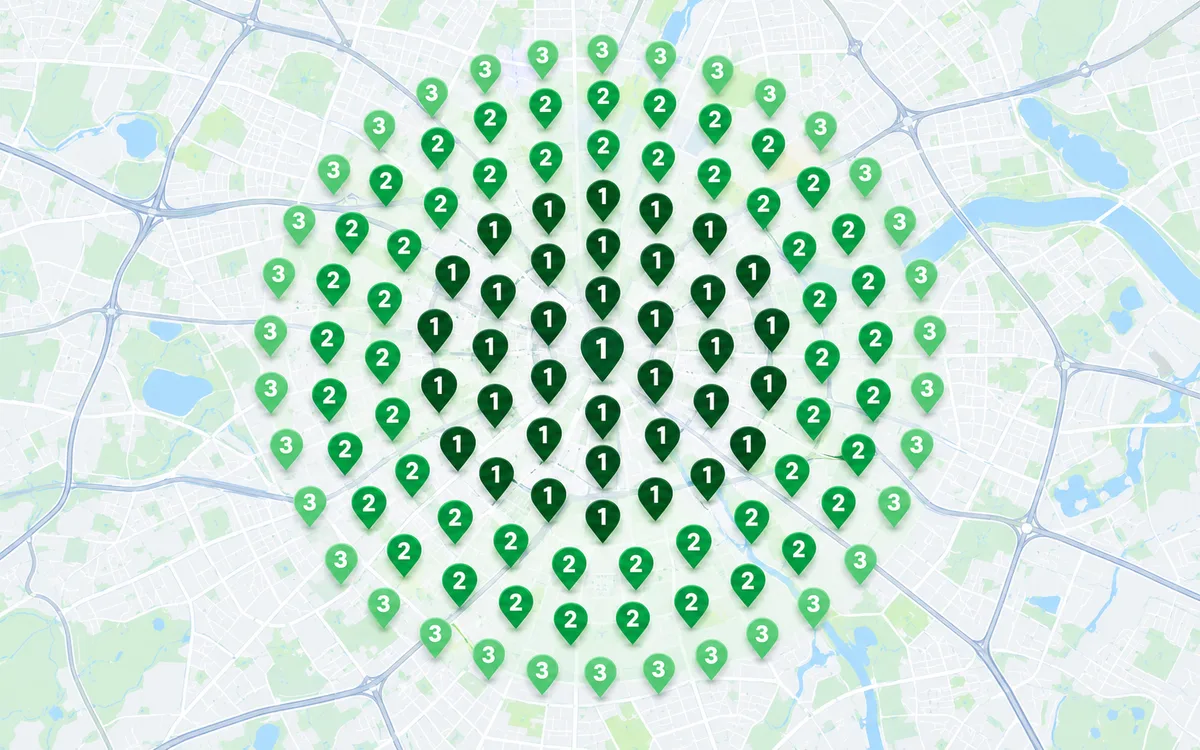
Each project type you sell gets its own campaign and its own landing page.
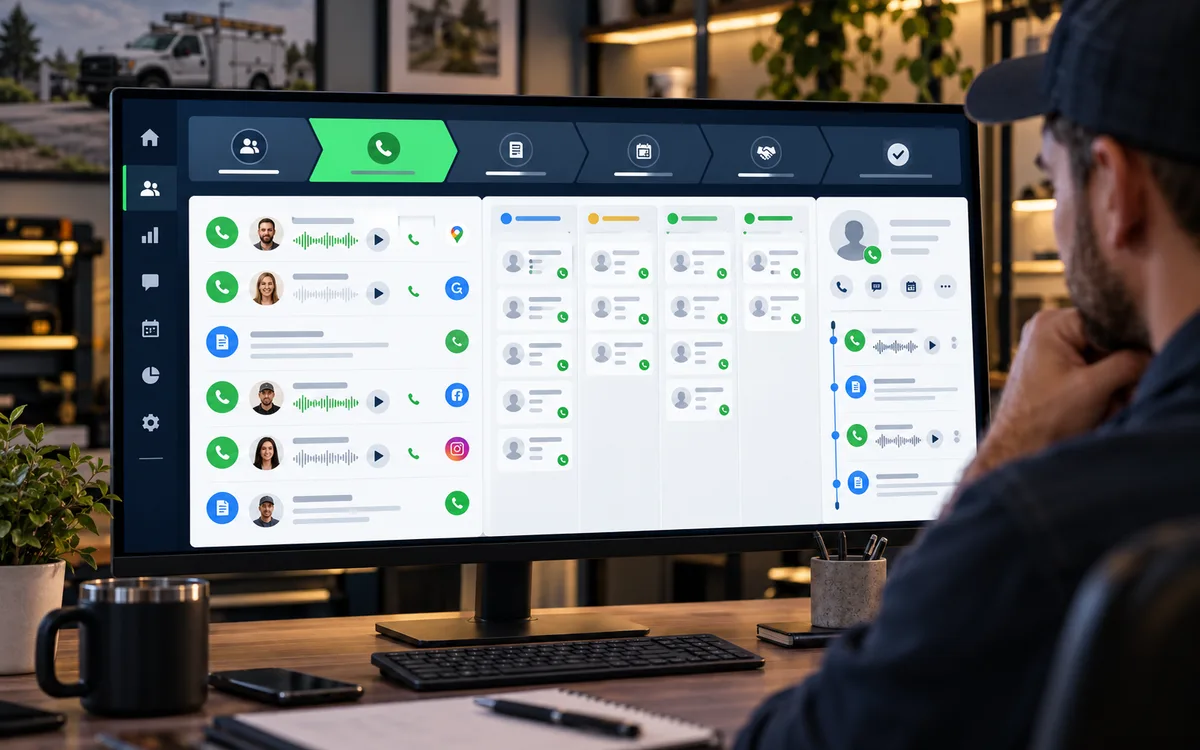
We read the search terms report every week and add negative keywords for DIY and job-seeker searches.

Signed contracts go back into Google Ads as conversions, so bidding favors the searches that sign.
General contractors and design-build firms who wanted every click to lead somewhere.

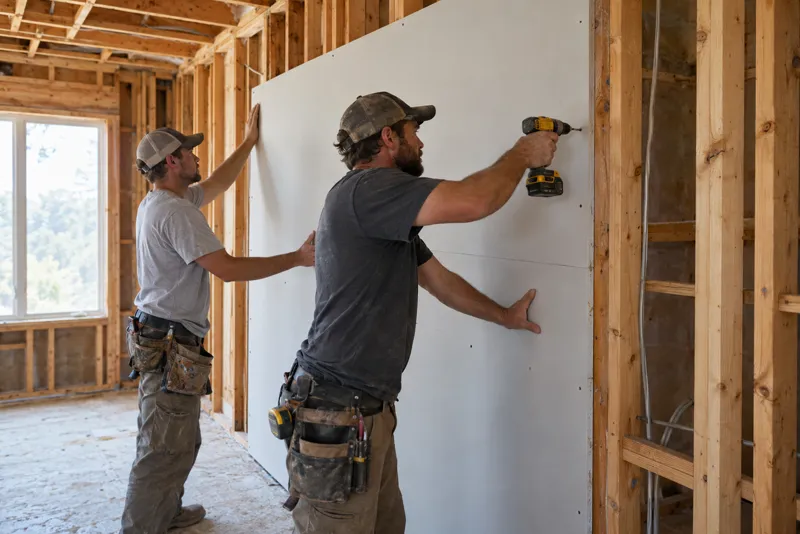
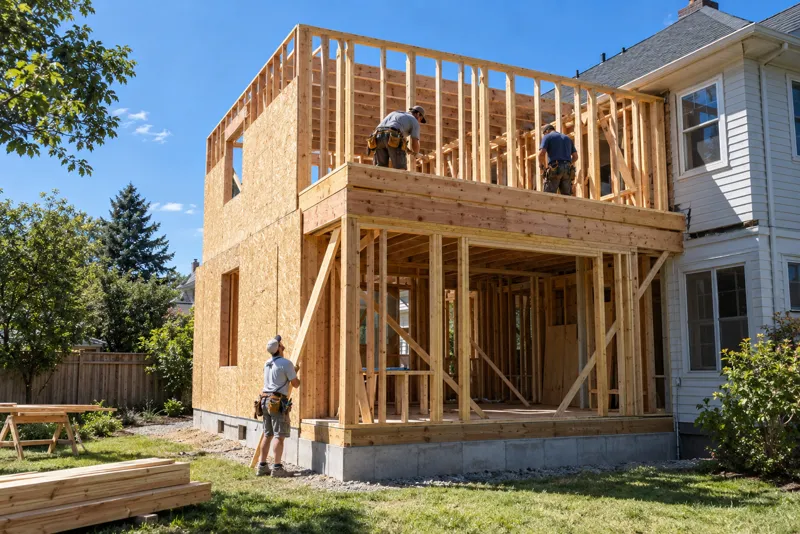


Separate campaigns mean separate budgets, so you can push the projects your crews want next.
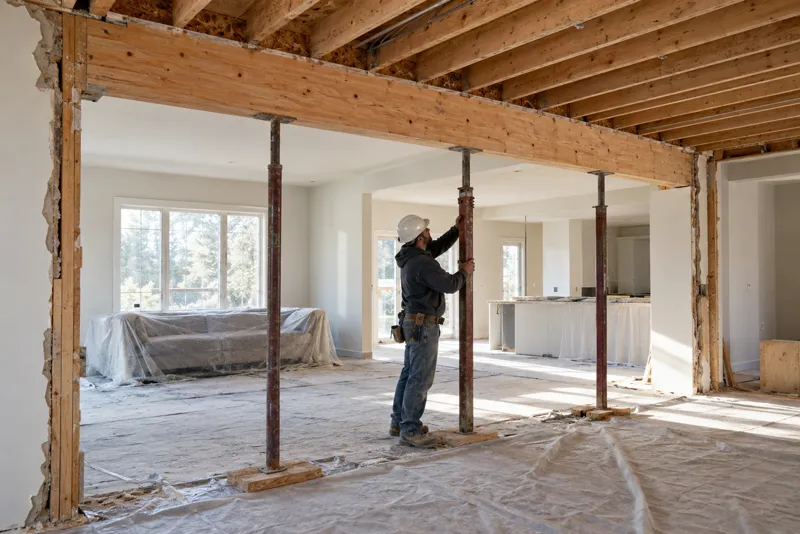
Long consideration and the highest value. Ads lead to a page about the structural engineer and the permit timeline.
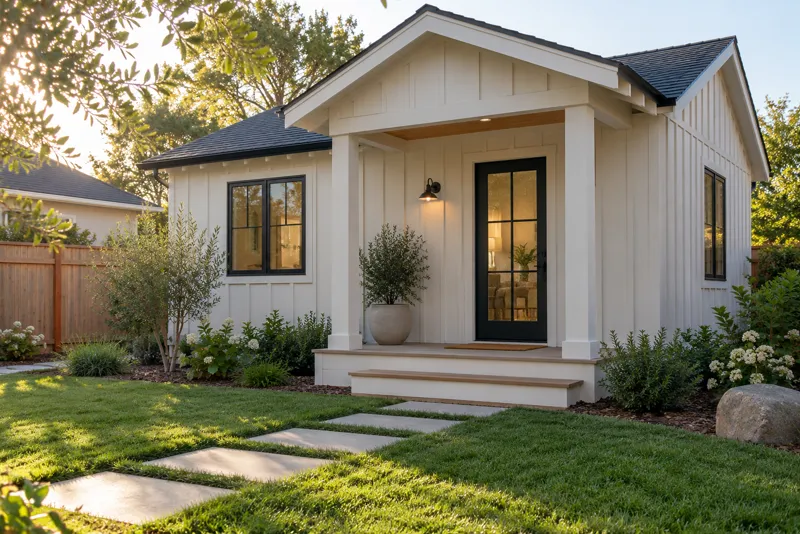
Clear intent and a space the homeowner already owns. Research searches get cut once tracking shows they do not sign.
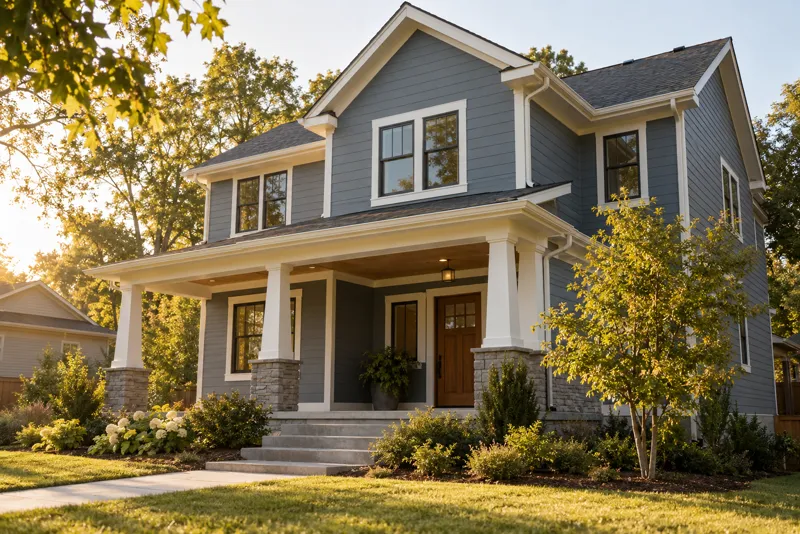
Searches for design-build firms and full renovations, sent to a page about your process and design fee.
Adult children searching after a parent's fall decide fast. These ads reach families planning universal design changes.
Paid search fits remodelers who can answer fast and know what a project is worth.
The account and the data are yours.
Billing and the Google Ads account belong to you. We work inside it as a manager.
Each week's search terms report is yours to read, including the searches we blocked.
Calls are recorded. Listen to any of them and mark whether it booked a consultation.
Want more basements this winter? Budget shifts to that campaign with your OK.
Remodeling advertising on Google comes in two forms, and lead marketplaces are a third choice. Here is how they compare.
| Search ads | Local Services Ads | Lead marketplaces | |
|---|---|---|---|
| What you pay for | A click | A lead | A lead |
| Is the homeowner shared? | No | No | Often sent to several pros |
| Choose the projects | Any project, by keyword | Google's job categories | The site's categories |
| Who keeps the data | You | You, inside Google | The platform |
Local Services Ads sit above search ads and show your Google rating, so they work best once your reviews are strong. We often run both.
Campaigns run for work like this, inside the towns your crews reach.


Ads fill the calendar now. These pieces keep it full.
Project pages that bring calls from search long after the ad budget stops.
Landing pages and a site that turn a click into a consultation.
Screened homeowners from campaigns in your name, sent to you alone.
A strong Google rating, which Local Services Ads show beside your name.
Ads, search, site and reviews run as one plan.
Straight answers. If yours is not here, the video covers it.
Paid ads that show when homeowners search for remodeling projects in your area. You pay when someone clicks, and the ad leads to a call or a landing page about that project.
They pay best on the big ones. A basement remodeler on ContractorTalk said one basement every four months made his campaign a success. Calls can start within days, and the first weeks go to cutting waste.
Often, yes. They sit above search ads and charge per lead. They show your Google rating, so they pay best once your reviews are strong.
Usually broad keywords and a loose location setting. We block DIY and "how to" searches with negative keywords from day one, keep ads inside your drive radius and read the search terms report every week.
What gets counted. Sales callers can find any business number, but they no longer count as results. Every call is recorded and sorted, and only homeowners asking about a project are reported to you and to Google, so the campaign learns from the calls that sign.
It depends on your market and how much work your crews can take. Watch the video first, then we will show you numbers for your area.
No. The account and its billing are in your name from day one. If you leave, the campaigns and their history stay with you.
The firm, the town, the projects signed and what they paid.
[General contractor], [Town]
[The problem and what it signed after the change.]
[Design-build firm], [Town]
[The problem and what it signed after the change.]
See which ads could book your next project
For one basement remodeler, a single basement every four months made the ads worth it. The short video shows how Lead Engine follows each click to a call and each call to a booked job.