Lucorp Media is a countertop website design agency for fabricators, specializing in web design, responsive web design, landing pages and conversion rate optimization. We build search engine optimization and Google Analytics into every site for granite and engineered stone shops. Our pages show your quartzite, soapstone, marble and porcelain jobs, so homeowners picture their kitchen. You own the site, and every report shows revenue, not rankings. A call to action sits on every page. Working with cabinet shops and interior designers, we help fabricators win kitchens from photo-first homeowners.
Your work is better than your website says it is
Jobsite is the website we build for countertop shops: your real jobs, a page for each material and a measure request that works on a phone. You own all of it.
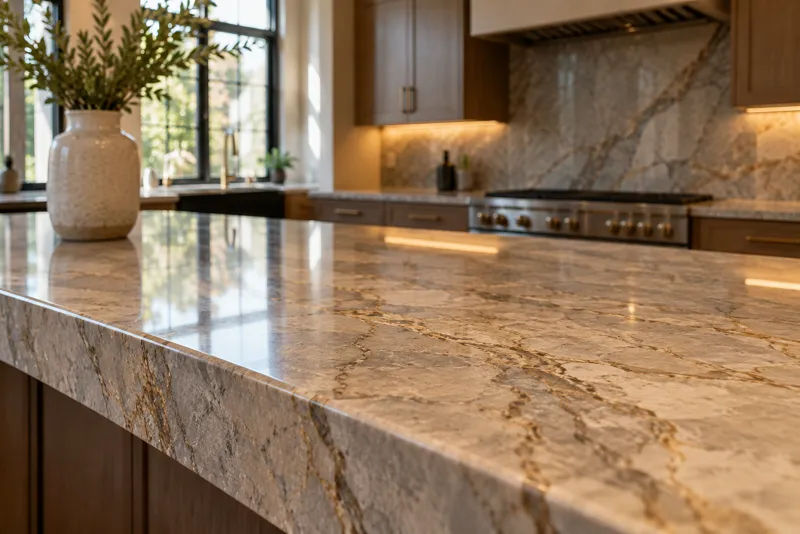
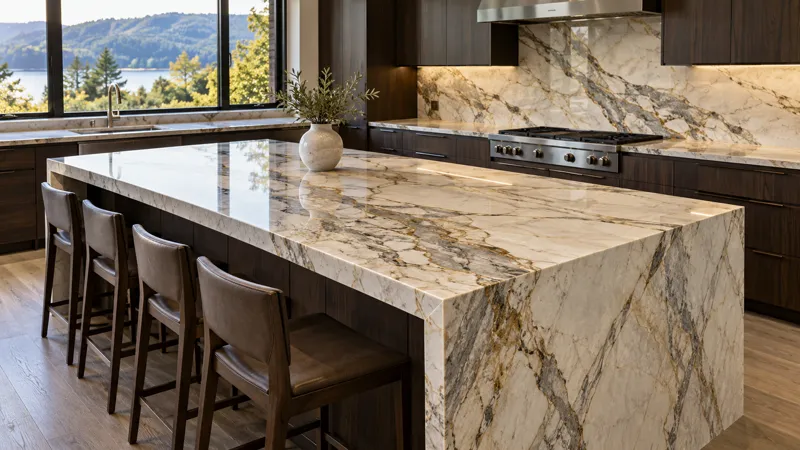
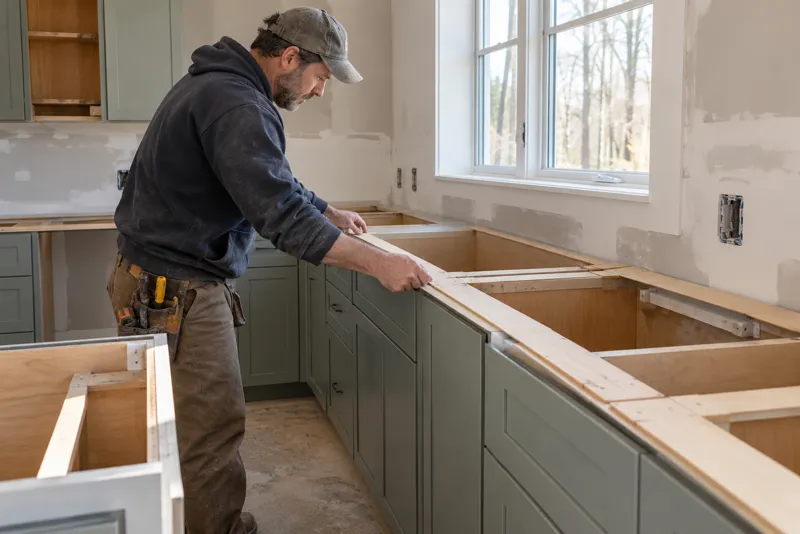
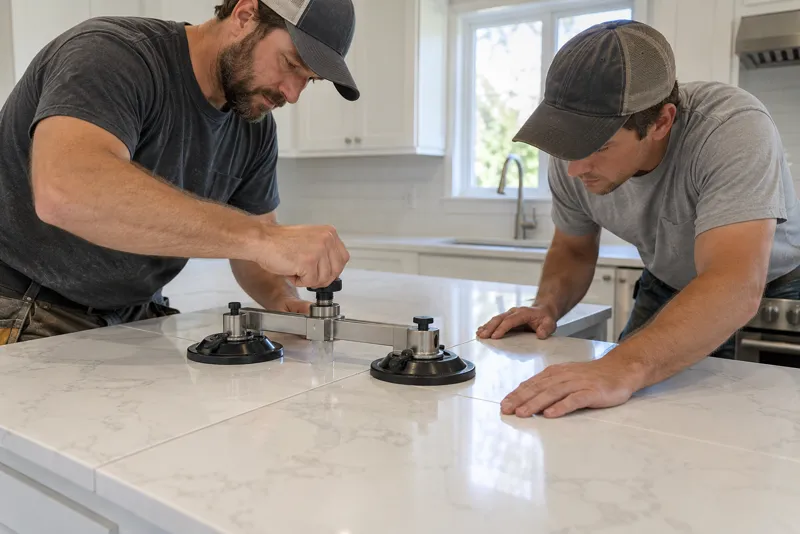
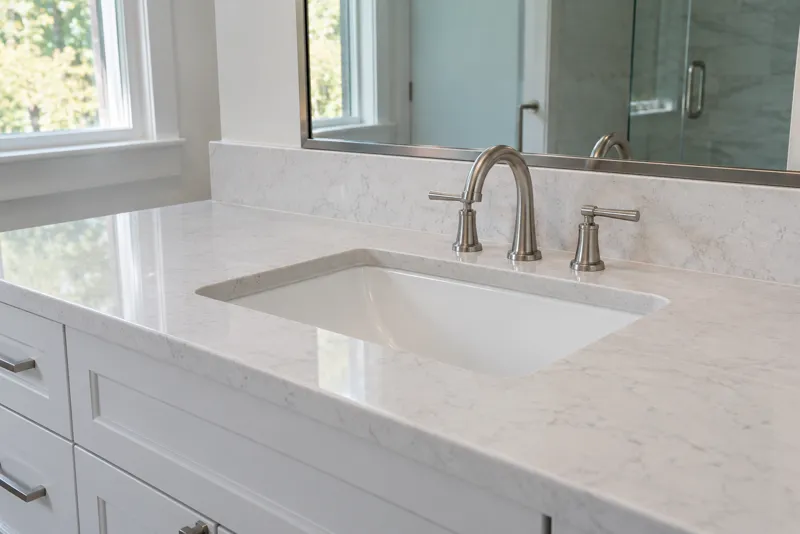
Homeowners see your installed kitchens, seams and edges before they call
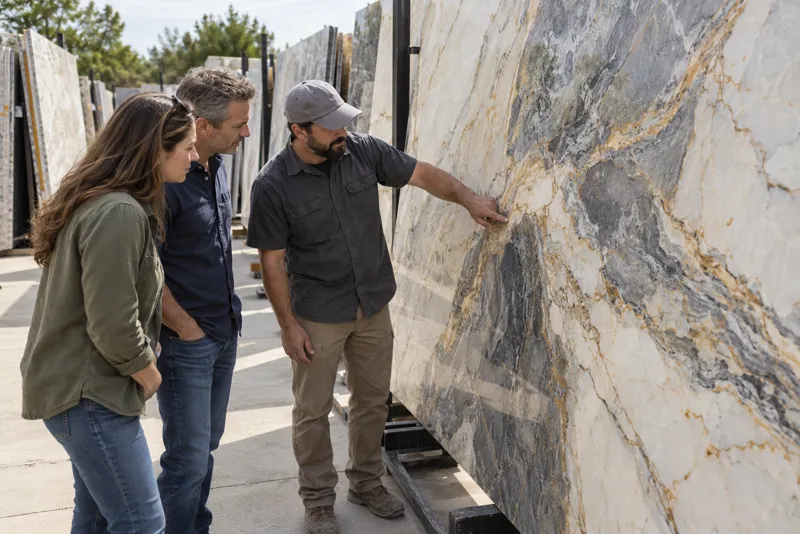
Each material you cut gets a page with your slabs and jobs
[industries, under 20: Ben to pick]industries served
Project
More booked jobs
Client
yourcountertops.com
Drawn by
Lucorp Media
Sheet
A-101
Scale
1 tracked call = 1 job
Brands we've worked with
What one booked visitor is worth
A whole-home package, the kitchen plus every bathroom vanity, typically runs $15,000 to $40,000 (typical values, illustrative). One visitor who books that measure pays for a lot of website.
Call Value Calculator
Loads typical starting numbers for the trade. Change any of them to your own.
Calls that turn into paid jobs
What you keep after materials and labor
Ad spend divided by calls. Leave at 0 if you don't know.
Each call is worth
in gross profit. That's also the most you can pay for a call and break even.
Revenue per call
Jobs per month
Revenue per month
Gross profit per month
Profit after marketing costs, per month
How it works: revenue per call = average job × close rate. Value per call = revenue per call × gross margin. The starting numbers are our estimates for a typical shop in each trade. Your own numbers from last year will be more accurate.
A homeowner shopping for countertops has two or three shops open on their phone. If yours shows stock kitchens, one services page and a contact form at the bottom, it looks like every other shop. When every shop looks the same, the homeowner picks on price.
That's where the low-balling starts. Your templating, your seams and your install crews are worth more, but a site that never shows them leaves you defending a number. Every contractor website design project we take on starts with your own jobs.
I don't see it ok for lowering prices to almost free just to get a job.
Owner of a 10-year family countertop shop, r/CounterTops (2025)
They pick the cheapest shop
A site that looks like everyone else's gives the homeowner nothing to compare except price. You end up matching numbers to keep the saw running.
Jobsite puts your showroom, your shop floor and your finished installs on every page, so the homeowner sees what the extra money buys.
Nobody calls from the site
Visitors land, scroll and leave. A website that never rings is a monthly bill with nothing attached to it.
Jobsite puts a call button and a short measure request on every page, built to work with one thumb on a phone.
No page for the slab they want
Quartzite buyers search quartzite. A single countertops page gives them nothing to click, so they click the shop that has one.
Jobsite gives each material you sell its own page, with your slabs and your installed jobs on it.
No idea what the site books
Form fills land in an inbox nobody checks and calls aren't tracked, so you can't say whether the site ever paid for itself.
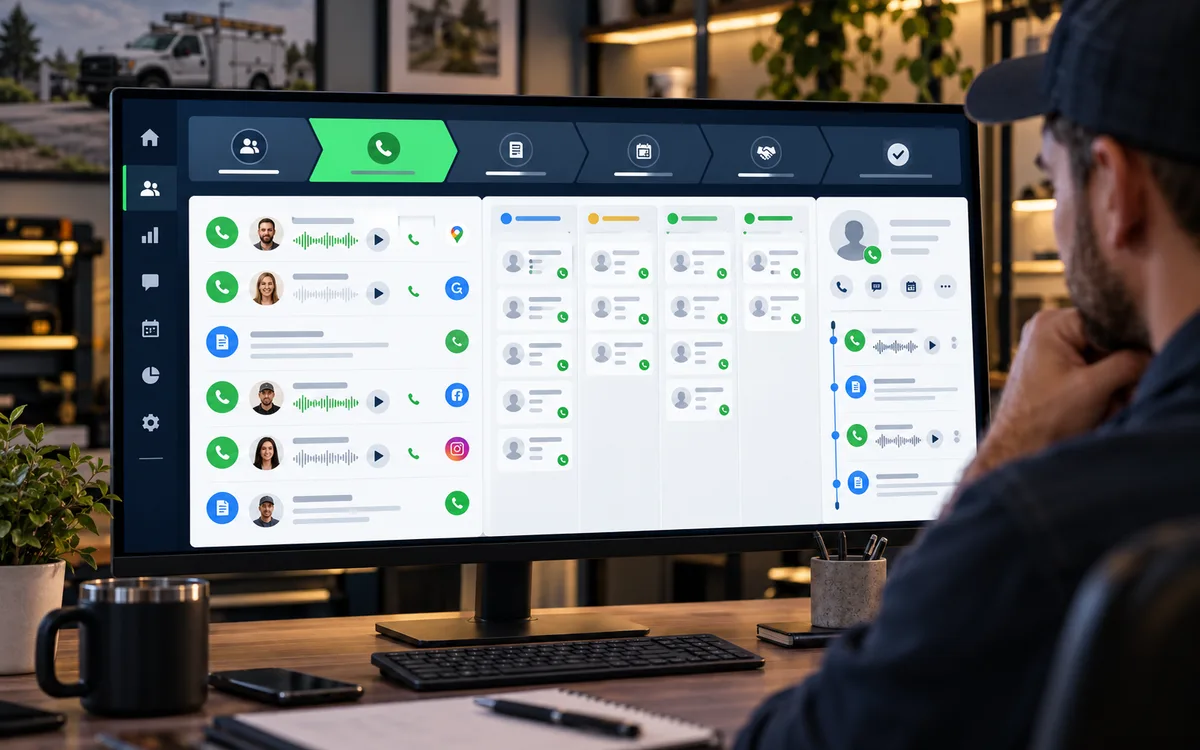
Jobsite tracks every call and form from the site, and Lead Engine reports which ones turned into booked jobs.
How it works
Four steps from the old site to one that books measures.
We read your current site
Speed on a phone and where visitors drop off, taken from your own Google Analytics.
We plan pages by material
A page for each material and service you sell, each with your job photos and a measure request.
We build and test Jobsite
Every page is tested on a phone before launch, and every call and form is tracked.
You see what it books
Each month you see measure requests and booked jobs from the site, page by page.
Fabricators who wanted their work on screen
Countertop shops with real job photos on every page.
The site, search, ads and reviews under one plan and one monthly report.
Website questions from countertop shops
What fabricators ask before a rebuild.
Most countertop sites are built to look finished and then left alone. Jobsite is built around the measure request: a page for each material, your own installs, a call button on every screen, and tracking that shows which visits became booked jobs.
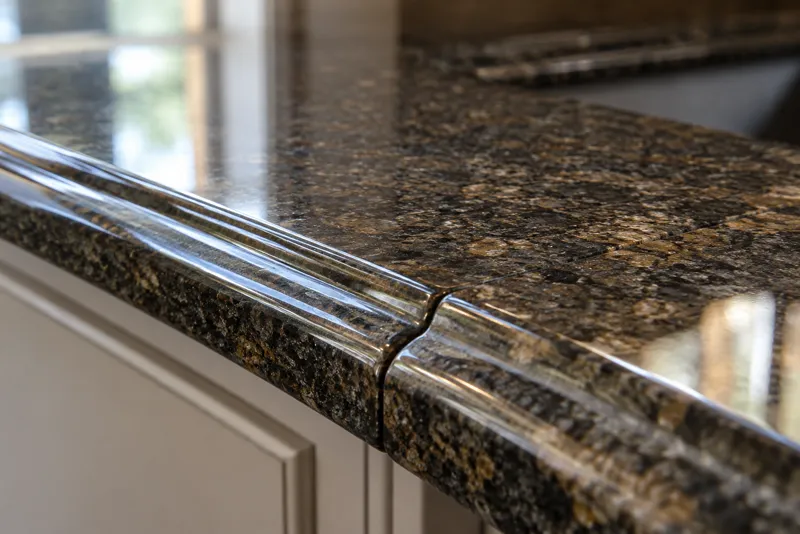
Yes, and we prefer them. Phone photos of your installs, your slab yard and your shop show homeowners the real work. We tell you which shots help most: the full kitchen, a seam, the edge profile and the sink cutout.
You do. The domain and the hosting, with every file on them, are in your business name from launch.
Case studies
The shop, the town, the jobs booked and what they paid.
The shop lived on referrals and shared leads that went to every fabricator in town. We built its website and Google profile around the work it wants, granite and quartz kitchens, and tracked every call. Homeowners now call the shop directly.
20 to 30Leads a month
About $35kA month in revenue generated (approximately)
Good installs, quiet phone. We gave the shop a page for every stone it sells and every town it serves, put it on the map for kitchen countertop searches, and tracked every call so the owner sees which ones booked a measure.