
[Design-build firm], [Town]
Design-build firm: from stale profile to steady reviews
[The problem and what it signed after the change.]
[Real stat]New reviews
[Real stat]Calls from Google
Lucorp Media provides remodeling reputation management to design-build firms and general contractors. Our specialties are reputation management, customer reviews, review sites and Google Maps. We run review requests and replies for companies in renovation and home improvement. Our requests go out at the punch list walkthrough, when the homeowner loves the finished space, so new reviews keep arriving. You own every profile, and every report shows revenue, not rankings. We also watch Yelp and the Better Business Bureau for you. We help remodelers nationwide earn the referrals that carry a flat year.
Your best remodels are invisible to the next homeowner
As part of Lead Engine, we help remodelers earn steady Google reviews that name the project, reply to each within a day, and handle the hard ones before they cost a consultation.












Past clients are the largest lead source for most remodeling companies, according to lead source surveys published by JLC Online. A review keeps that past client selling for you after the crew leaves.
Illustrative, using typical project values: if steady reviews win you one extra $30,000 bathroom a quarter, that is $120,000 a year in signed work.
Call Value Calculator
in gross profit. That's also the most you can pay for a call and break even.
How it works: revenue per call = average job × close rate. Value per call = revenue per call × gross margin. The starting numbers are our estimates for a typical remodeling company. Your own numbers from last year will be more accurate.
Want reviews that sign the next project?
See how it worksYour referrals are good because your work is good. But a couple planning a big remodel still looks you up before they call, and they find four reviews, the newest two years old, next to a lead site that uses your company name to sell their request to someone else.
A remodel runs for weeks, and by the punch list the homeowner is happy and nobody asks. So the reviews never land, and the next homeowner calls the firm with more of them, even when its work is worse. Steady reputation management for contractors puts your own clients' words where homeowners look.
Word of mouth. Whose mouth matters a lot. The internet can't be trusted anymore.
Contractor, Reddit r/Contractor (2026)
They mean to post one and forget. Your profile sits on a handful of old reviews, and the firm with more recent ones gets the call.
A request goes out at the final walkthrough, then a reminder, so every finished project gets its chance to post.
Directories sit beside your company name, collect calls your reputation earned and sell the homeowner to someone else.
Your Google profile gets fresh reviews and project photos every month, so homeowners searching your name find proof from your own clients.
Reviews that only say "great job" don't tell a homeowner you build additions, and they don't help you show up when she searches for one.
We ask clients to mention the project and the town, and new project photos go on your Google profile, so your reviews describe the work you want more of.
A hard client writes a long review while you're busy on jobs, and it greets every homeowner who looks you up.
We watch the profile and draft a calm reply within one business day, which you approve before it posts.
Four steps that turn finished projects into reviews homeowners read.

The punch list walkthrough or final payment, when the homeowner sees the finished space. That is when the request goes out.
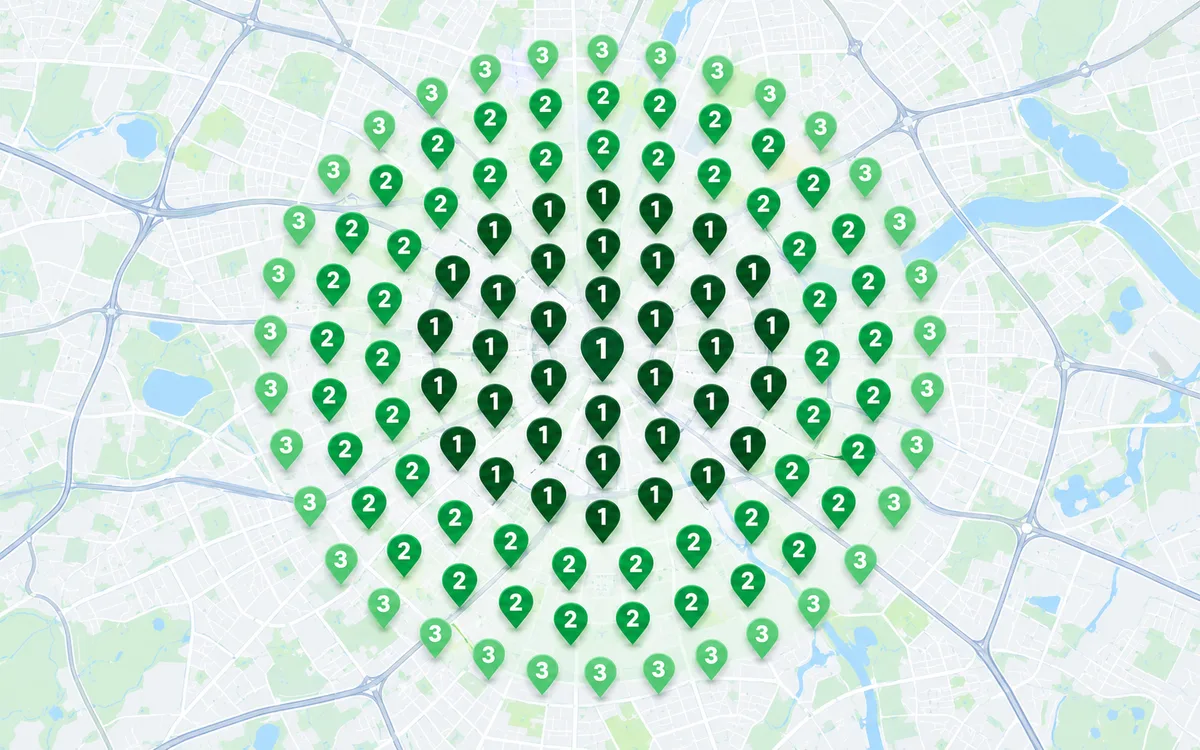
A text with a direct link to your Google review form, and one reminder a few days later.
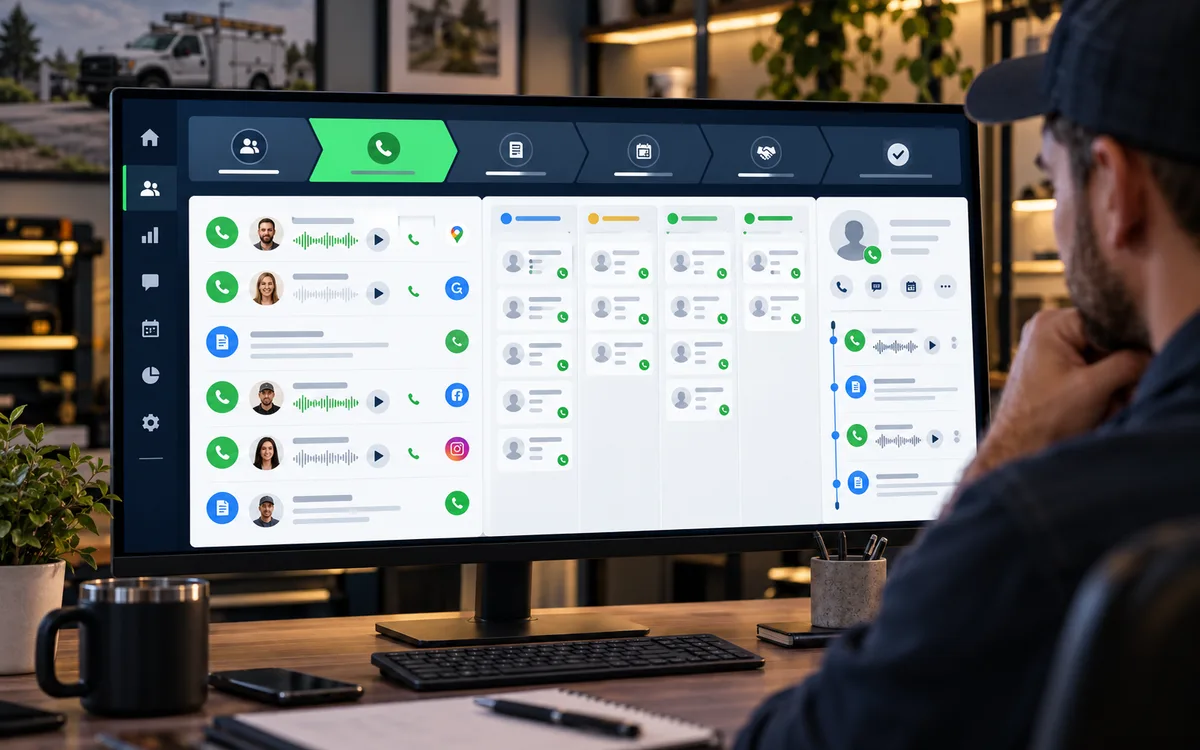
Replies within one business day, in your voice. Negative reviews get a draft for your approval first.

Monthly: new reviews, your rating, our replies and the calls that came from your Google profile.
Design-build firms and general contractors whose finished work finally shows up online.

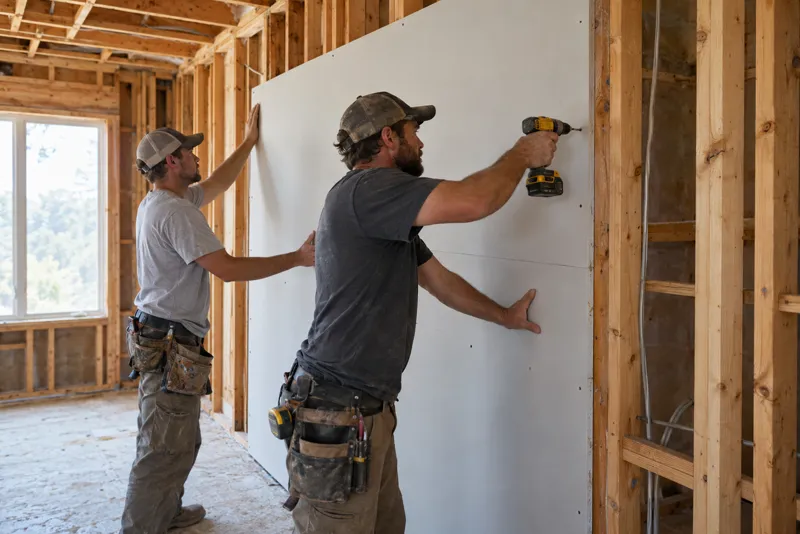
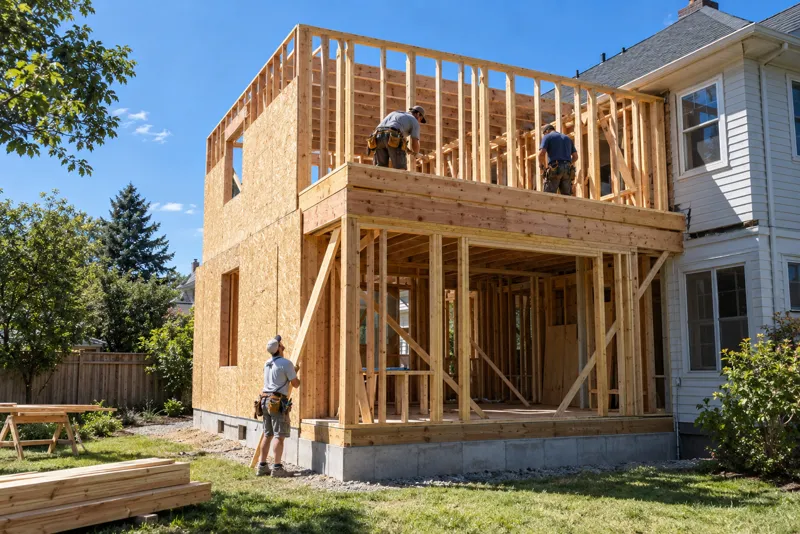


A six-figure project gets checked in more than one place.
The profile beside your Maps listing. Your rating and recent reviews decide who gets the call from the map pack.
Homeowners planning larger projects browse Houzz for photos and read the reviews under them.
Many homeowners check the BBB before signing a big contract. Yelp still shows up when they search your name.
Neighbors ask who built the addition down the street. Referral marketing starts with a client happy to answer.
Reviews pay off for remodelers whose finished work is worth talking about.
Your profiles and your client list stay yours.
Google, Houzz, Yelp and BBB logins stay in your company's name.
No reply to a negative review goes live without your OK.
We use it only to send the review requests you approved.
Each new review reaches your inbox the day it posts.
Review tools send requests. A remodeler also needs the right timing and someone watching every profile.
| Review software alone | Our review plan | |
|---|---|---|
| When requests go out | Whenever someone remembers | At the punch list walkthrough, every project |
| Replies | Written by you, if time allows | Within one business day, in your voice |
| Negative reviews | Seen late | Flagged the same day, reply drafted for you |
| Profiles watched | Usually Google only | Google, Houzz, Yelp and the BBB |
A shortcut on reviews can cost a remodeler the whole profile.
Fake reviews, a form of astroturfing, break Google's rules and the FTC's 2024 rule on fake reviews. Every review comes from a real client.
Every finished client gets the same request. Sending requests only to people you expect to rate you well breaks Google's review policy.
Finished additions, attics and basements are what the next homeowner wants to read about.



Reviews make every other channel convert better. Add what you need.
Search pages and a Google profile that put your reviews in front of homeowners.
Ads and Local Services Ads, which show your rating beside your name.
A site that shows your reviews next to the projects they describe.
Screened homeowners who read your reviews before they called.
Reviews, search, ads and site run as one plan.
Straight answers. If yours is not here, the video covers it.
Enough recent ones that a homeowner sees steady work. A few new reviews a month beat a burst once a year, because homeowners read the dates.
We ask at the final walkthrough, while they stand in the finished space, then send a reminder with a link that opens the review form. You don't have to remember to ask.
Only if it breaks Google's rules, such as spam or a competitor posing as a client; those we report for removal. For a real one, a calm reply and steady new reviews push it down the page.
Count alone rarely does. Homeowners read the dates and what the reviews say, so we ask clients to mention the project, reply to every review and add new project photos every month. A review that names an addition tells the next homeowner you build what she wants.
Google lists review count and rating among the signals it uses for local results. Reviews that mention the project also tell homeowners what you build.
It depends on how many projects you finish and how many profiles you have. Watch the video first, then we will show you what fits.
Never. Every review comes from a real client. Fake reviews break Google's rules and federal law, and one discovered fake costs more trust than it buys.
The firm, the town, the reviews earned and the projects that followed.
[Design-build firm], [Town]
[The problem and what it signed after the change.]
[General contractor], [Town]
[The problem and what it signed after the change.]
See how reviews could book your next project
Homeowners call the firm they trust. The short video shows how Lead Engine turns finished projects into reviews that bring the next call.